Research
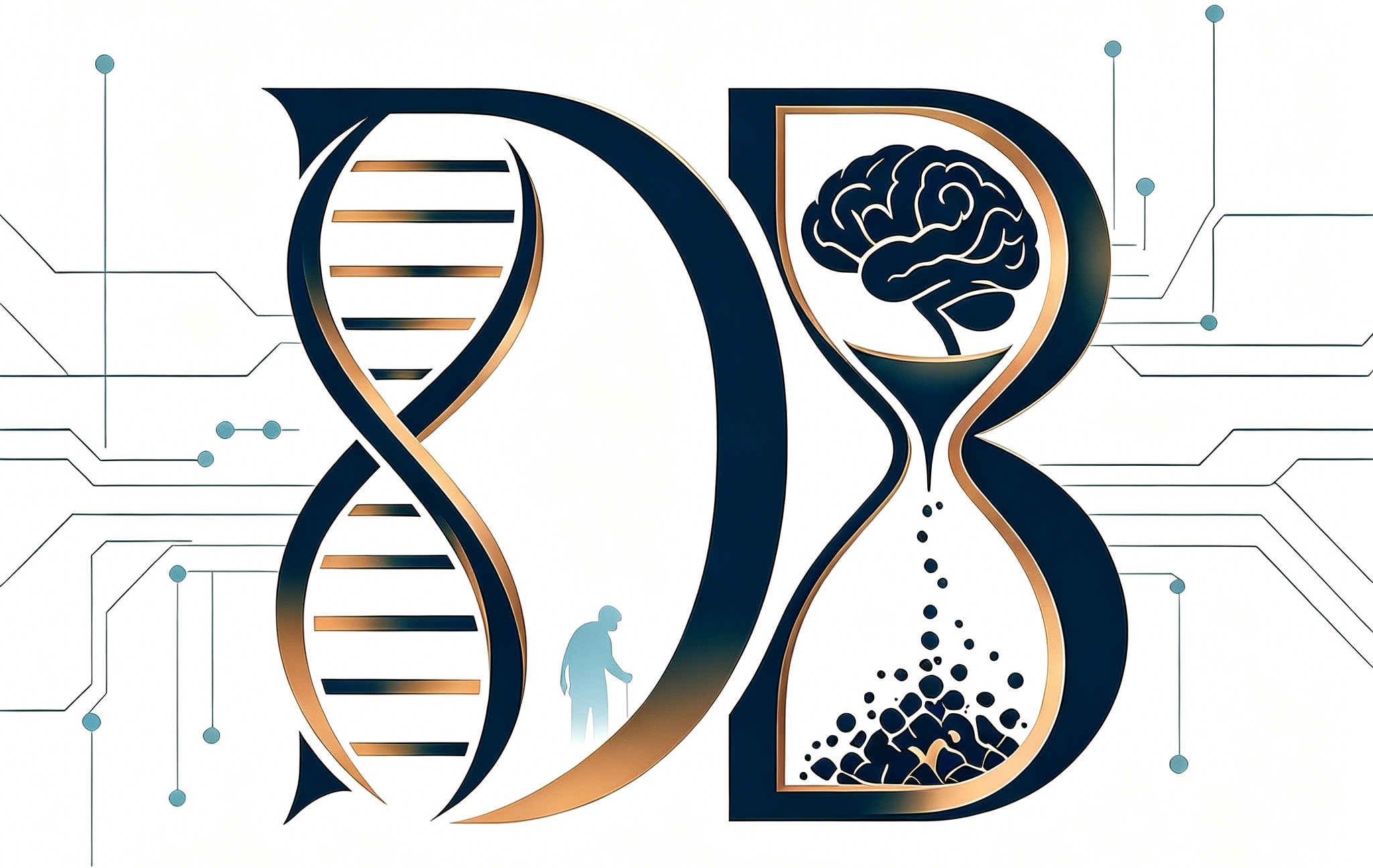
Our team focuses on the molecular mechanisms of immune regulation of ageing and disease, conducting systematic and multilayered basic and translational research. Leveraging the unique resource advantages of Hainan's centerman, we concentrate on the biology of healthy longevity, aiming to elucidate the biological features of long-lived individuals and to provide mechanistic foundations and technological support for preventing age-related diseases and advancing healthy ageing strategies. Our research is organized into two complementary and mutually reinforcing directions.
1. Bioinformatics of healthy ageing
A central focus of our laboratory is to elucidate the immune-regulatory mechanisms that support healthy ageing and confer protection against disease. Drawing on thousands of centenarians from multiple regions and countries, we have demonstrated that these individuals possess a pre-activated monocyte–macrophage system capable of efficiently clearing harmful molecular by-products, thereby reducing the risk of age-associated pathologies driven by cellular debris and chronic inflammatory burden. Related findings have been published in Hematol Oncol, Nat Commun, and Aging Cell, and have attracted attention from mainstream scientific media.
2. Bioinformatics of ageing-related diseases
Another major focus of our laboratory is to elucidate the molecular mechanisms underlying age-associated disorders, with a primary emphasis on Alzheimer's disease. By integrating large-scale public datasets with mouse models, we systematically dissect the molecular basis of disease onset and progression. Through the development of in-house computational algorithms, we identified ageing-specific neuronal populations in the ageing brain and uncovered a key mechanism in which neuronal cell-cycle re-entry precipitates cellular senescence. Moreover, sex-stratified analyses revealed a phagocytosis-impaired, activated microglial subpopulation specific to female patients, accompanied by pronounced inflammatory abnormalities within the vascular system. These findings have been published in Aging Cell, PLOS Biology, Journal of Neuroinflammation, and Autophagy.
Together, these two research directions provide reciprocal support. Insights from healthy ageing offer valuable references for distinguishing pathogenic drivers from compensatory stress responses in age-related diseases, while mechanistic discoveries in age-related disorders inform the development of clinically relevant strategies for promoting healthy ageing. And the integration of these two research directions will underpin our future work by enabling the identification of mechanistic biomarkers, refining causal inference between healthy ageing and disease pathogenesis, and accelerating the development of precision interventions that promote resilience to ageing and extend healthspan.